
Major Trauma
The Royal Infirmary of Edinburgh is one of Scotland's four Major Trauma Centres. We look after people with serious injuries from across the South-East of Scotland. We work closely with teams throughout the hospital but also with ambulance crews, Trauma Units and Local Emergency Departments in the region.

Our aim is simple: to get people the right care, in the right place, by the right people, as quickly as possible.
Patients may come directly by ambulance or by helicopter, or they may arrive at a local Trauma Unit or Local Emergency Department first and be transferred once stabilised or if they need more specialist care. Either way, they are met by a consultant-led team with access to the investigations, expertise and critical care support they need right from the start.
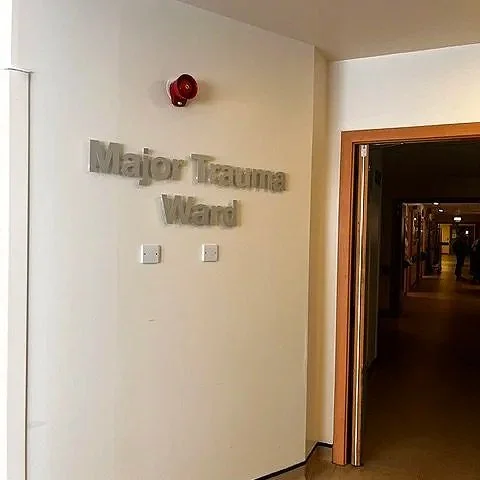
Our Major Trauma Ward has twelve beds, including four for patients who need closer monitoring, and a dedicated rehab gym. We also work alongside the Department of Clinical Neurosciences for patients with head injuries. Every person admitted to the service is cared for by a team that can include trauma and emergency doctors, surgeons, nurses, physiotherapists, occupational therapists, psychologists, psychiatrists, speech and language therapists, social work and dietitians. It's very much a team effort, with each professional bringing something different to the table and everyone focused on what each patient needs to recover.
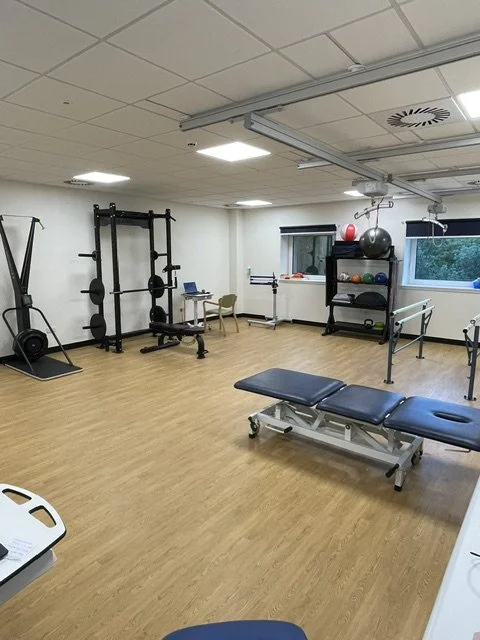
One thing we're especially proud of is how early rehabilitation starts. For many people, physio, OT input and psychological support being within a day or two. Our Major Trauma Rehabilitation Coordinators play a huge role in this; they help patients navigate their stay, keep families updated and make sure the plan feels joined-up rather than overwhelming. When someone is well enough to move to a hospital closer to home, they help make that transition smooth too.
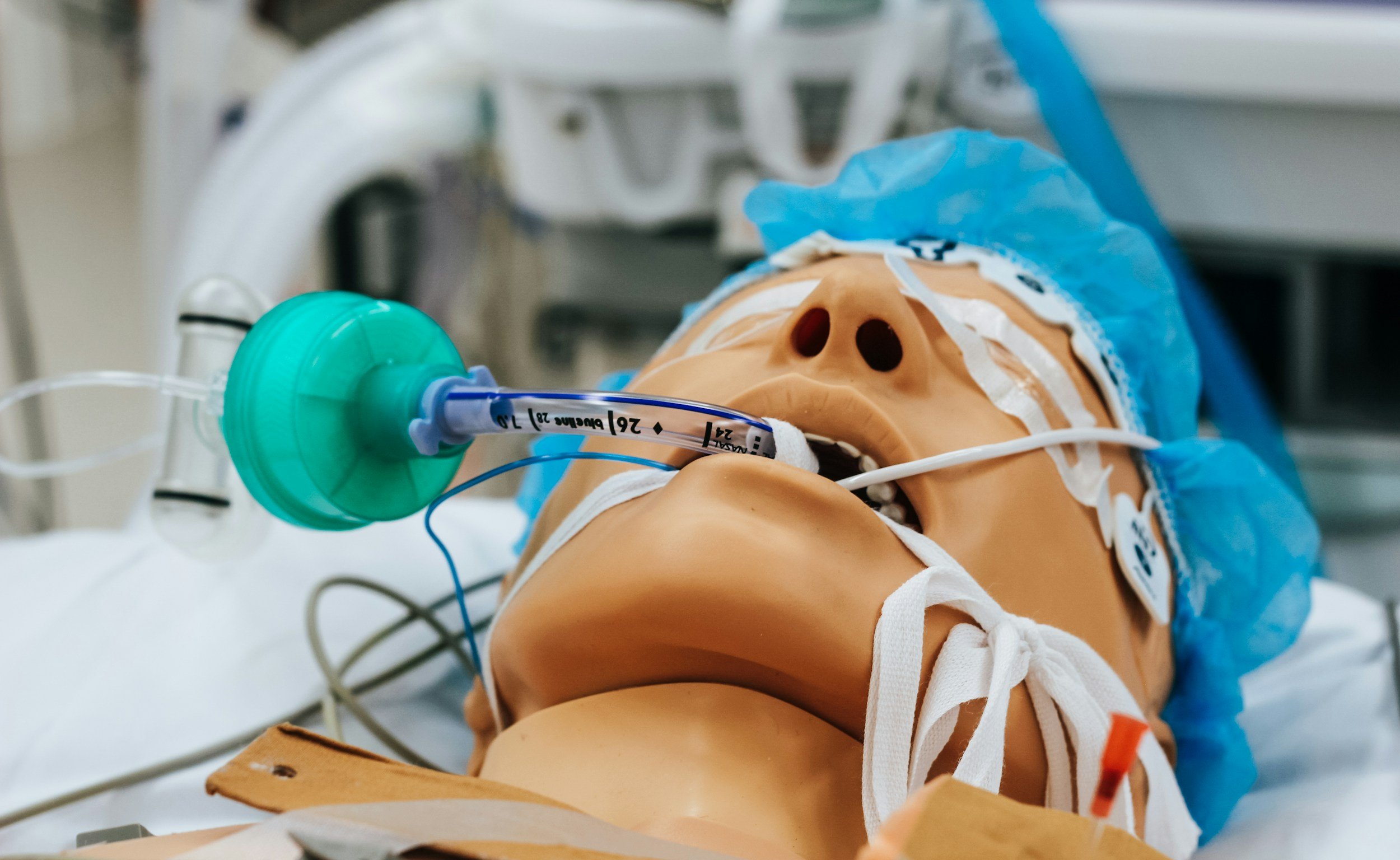
The Major Trauma Service is also committed to ongoing development, education and collaboration. Our teams regularly take part in research, quality improvement projects and training programmes, and we work closely with regional and national partners to drive innovation in trauma care. This culture of learning and collaboration supports future consultants, fellows, and research partners.
At the end of the day, our job is to help people through some incredibly difficult moments with as much expertise, compassion and teamwork as we can bring.